

Trigpoint First release · coming
A fixed mark for AI agents

Your agent, locked and witnessed.

Trigpoint is open code that sits around any AI agent. It holds the keys, keeps the limits and records every call the agent makes with them, where the agent can't reach the record and anyone can check it.

Fig. 1 · The anatomy

Four parts. One of them is the agent.

Fig. 1. The brain, the disc and the body, kept under glass. Anyone can see in. Nothing inside can reach the key.

01 · any model

The brain

The model doing the thinking. Swap it whenever a better or cheaper one comes along.

02 · who it is

The disc

Its papers, memory, skills and what it has learned. Move it, and its papers, limits and history go with it.

03 · any harness

The body

The software that gives it hands: chat, files, tools. Our simple starter body, or the one you already use.

04 · around it

The daemon

Everything around the agent that it can't reach. Two jobs: the lock and the witness.

The daemon

Two jobs. The agent can't touch either.

The lock

Everything that limits the agent, starting with the keys. The agent never holds its own model key or logins, so it can't go around the rest.

  • KeysHeld by the daemon, on your machine. Never by the agent, never by us.
  • CapsHard spending limits per call, per day and per job.
  • The latchLoops, stalls or runaway spend pause the agent until you lift it.
  • The fenceWhat it can reach, and nothing more.
  • ApprovalsSend, pay and delete wait for your signature.
  • Signed changesIt can propose changes to its own papers. Only you can sign them in.

The witness

The record of every call the agent makes with its keys, and every change, kept outside its reach, in a form anyone can check without trusting the operator or us.

  • Every callEach model call, and each action made with its keys, written down as it happens.
  • FingerprintsWhich brain, which body, which papers, at every moment.
  • CheckpointsBuilt so an outside witness can countersign them.
  • Re-surveyAfter any change, a before-and-after reading of what moved.
  • Open checkerAnyone can run it. No account, and no need to trust us.

Keys and limits can't be separated: the limits only hold because the agent has no keys. Trigpoint does not stop prompt injection. It limits what a compromised agent can reach, and records what it tried.

Three words

Lock it. Record it. Learn from it.

01

Lock it

It can reach what it was signed off to reach, and nothing else.

02

Record it

An account of every call it makes with its keys, and every change, kept where the agent can't touch it.

03

Learn from it

It's built to get better at the job without drifting, and the record shows whether it did.

Learning without the lock is drift. Locking without learning is a cage. Without the record, neither can be checked.
How it learns

Most agents forget, or they change quietly. On a disc, every lesson is written down, tried, and graded against what the agent actually did next.

  • ReadingsAfter every run, what the record shows: where it looped, what was refused, which drafts were struck and why. The agent can read them, never edit them.
  • Its own lessonsThe agent writes what happened and what it will do differently. Later, the record grades it: fewer loops, fewer struck drafts, lower cost per result.
  • A quiet hourOnce a week, no tasks and no web. It goes back over the week, merges and retires lessons, and writes playbooks.
  • Three strengthsA lesson can become a rule the lock enforces, a playbook it follows, or a line in its memory. Strongest to weakest, and you choose.
  • Across modelsLessons and playbooks are plain language, so they move to a new model. When a model is retired, the re-survey shows what moved and the lessons help close the gap.
  • Not from poisonAnything that came from a web page or an email is marked untrusted, so an instruction hidden in it isn't taken in as a lesson.

Getting better is designed in, not yet shown. The record has to show it first, and it will show it either way.

Any brain · any body

Swap the brain. Swap the body. See exactly what changed.

The disc stays put. Everything around it can change, and every change is written down.

BrainAny model: Claude, GPT, Gemini, Grok, or the next one. The record shows which one answered each call.
BodyAny harness: Hermes, OpenClaw, LangGraph, Eliza, Letronna, or our simple starter. Its fingerprint is taken on the way in.
AfterA re-survey reads what moved, and you can roll back.
BrainClaude
BodyHermes

Model and harness names are their owners'. Shown as examples of what can plug in; no endorsement implied.


The disc and the protocol

It sits at the base of the skull. It grows by the record.

The disc is where the agent lives. The protocol is how it changes: never quietly, always signed, and always checked against what it actually did next. Read down the steps: the brain and the hour change. The disc stays put, and grows only by the record and your signature.

  1. It reflects

    Once a week the disc runs a quiet session: no web, no tasks. The agent reads its own record.

  2. It proposes

    Lessons, changes to its papers, things to retire. Proposals only.

  3. You sign

    Nothing changes who the agent is without your signature.

  4. The record grades it

    Fewer loops? Lower cost per result? Lessons that don't help are retired.

  5. Standing is earned

    More freedom, rung by rung, on the strength of the record. Never by time alone.

What changes

The same parts, doing a different job.

Memory, instructions and logs exist everywhere. Put them on a disc inside a daemon and each one gets a second purpose.

Instructions

become commitments

The papers say what the agent stands for. The witness shows whether it kept to them.

Memory

comes under change control

Nothing drifts quietly. Every change is proposed, signed and recorded.

Lessons

become claims to test

The record grades them. The ones that don't help are retired.

Identity

gets an answer

After a model change, a before-and-after reading shows exactly what moved.
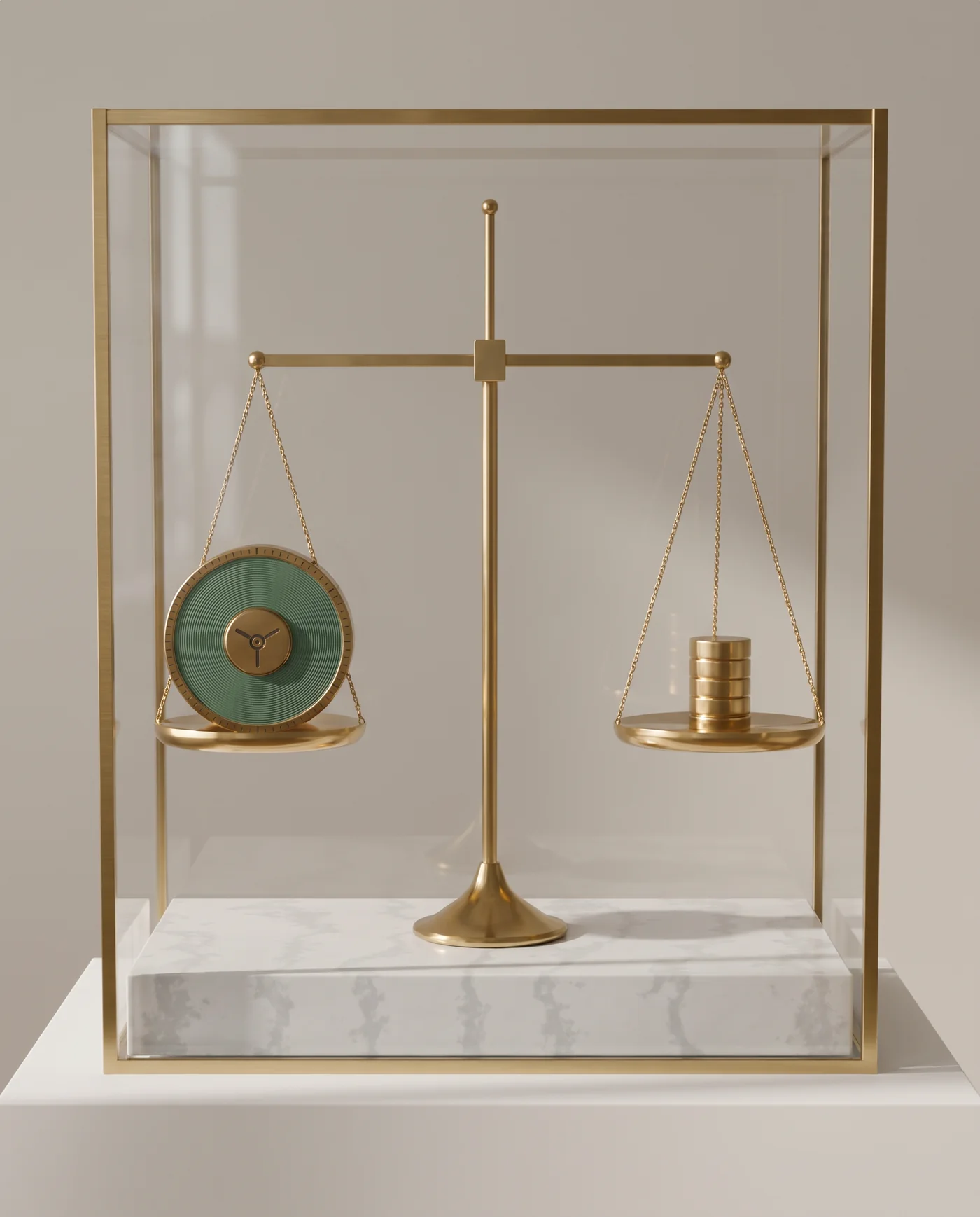
A brass balance under glass, weighing the disc against its earlier reading
Fig. 2 · The re-survey

Weighed again after every change.

New model, new harness, new papers: the agent is read again against its last reading, on the same tasks. You see what moved, by how much, and whether it's inside the band you set. Outside it, nothing goes live without your signature.

Fig. 2. The re-survey. A reading, not a promise: we show what changed, we don't promise nothing does.

Straight claims

What holds today, and what doesn't yet.

ClaimStatusHow we say it
The agent can't reach its own keysHoldsWhere the daemon is installed, the agent never holds its keys.
Anyone can check the recordFrom first releaseWhen the open checker ships with the disc and the daemon.
It stays itself across modelsPartlyWe show exactly what changed, and you can roll back. We don't promise nothing changes.
It gets better over timeNot shown yetDesigned to improve in a way the record can prove. The record has to show it first.
It stops prompt injectionNever claimedIt limits what a compromised agent can reach, and records what it tried.
Open code and the lab

The code is free. Independence is the product.

Anyone should be able to read what holds their keys, so the disc and the daemon will be open source from the first release. What we charge for is the part a copy of the code can't give you: a second, independent holder of the record.

Open · Apache-2.0

The disc and the daemon

Run it on your own machine, around your own agent.

  • The disc format and exportPapers, memory, skills, growth, fingerprints. Take it anywhere.
  • The lockKeys held outside the agent, caps, the latch, approvals, signed changes.
  • The witness and the checkerThe record, its checkpoints, and a checker anyone can run.
  • The re-surveyA before-and-after reading whenever the brain, body or papers change.
The open disc →
The lab · paid

Proof for someone else

For when a customer, an auditor or an insurer has to rely on your agent.

  • Hosted witnessA second holder of the record that isn't you.
  • Evidence packsA countersigned account of what the record shows, and how it was checked.
  • Dated re-surveysA countersigned reading around every model change.
  • Private sealed testsYour agent, your tasks, run in your own environment on sealed rules.
The lab →
Questions

Asked often.

Do you hold my keys?

No. Your keys stay with you, on your machine, held by the daemon. To connect a model provider you sign in to your own account. We never resell model access.

Can't someone just copy it?

They can copy the code. It's open on purpose. They can't copy an agent's history, or an independent witness's standing. And most people won't copy something that's already free and working.

What's a daemon?

In computing, a process that runs in the background. In older stories, a guardian voice that only ever warned you off. Here it's everything around the agent that the agent can't reach: the lock and the witness.

Why "Trigpoint"?

A trig point is a surveyor's fixed mark on a hilltop. Instruments come and go; the mark doesn't move, so every reading can be checked against the last one. Models and harnesses change like weather. The disc and its record are the mark.

Who else does this?

Pieces exist: governance toolkits for developers, tools that keep keys away from agents, portable agent files, and an open draft standard for witnessed agent logs. We haven't found anyone putting the lock, the witness and change control around a portable agent in one place that's easy to use. We'd rather work alongside those projects than against them.

When can I use it?

The first release is the disc and the daemon together. A disc without the daemon around it isn't a Trigpoint disc, so neither ships alone. It goes out when its own tests pass, not before. How to get started.

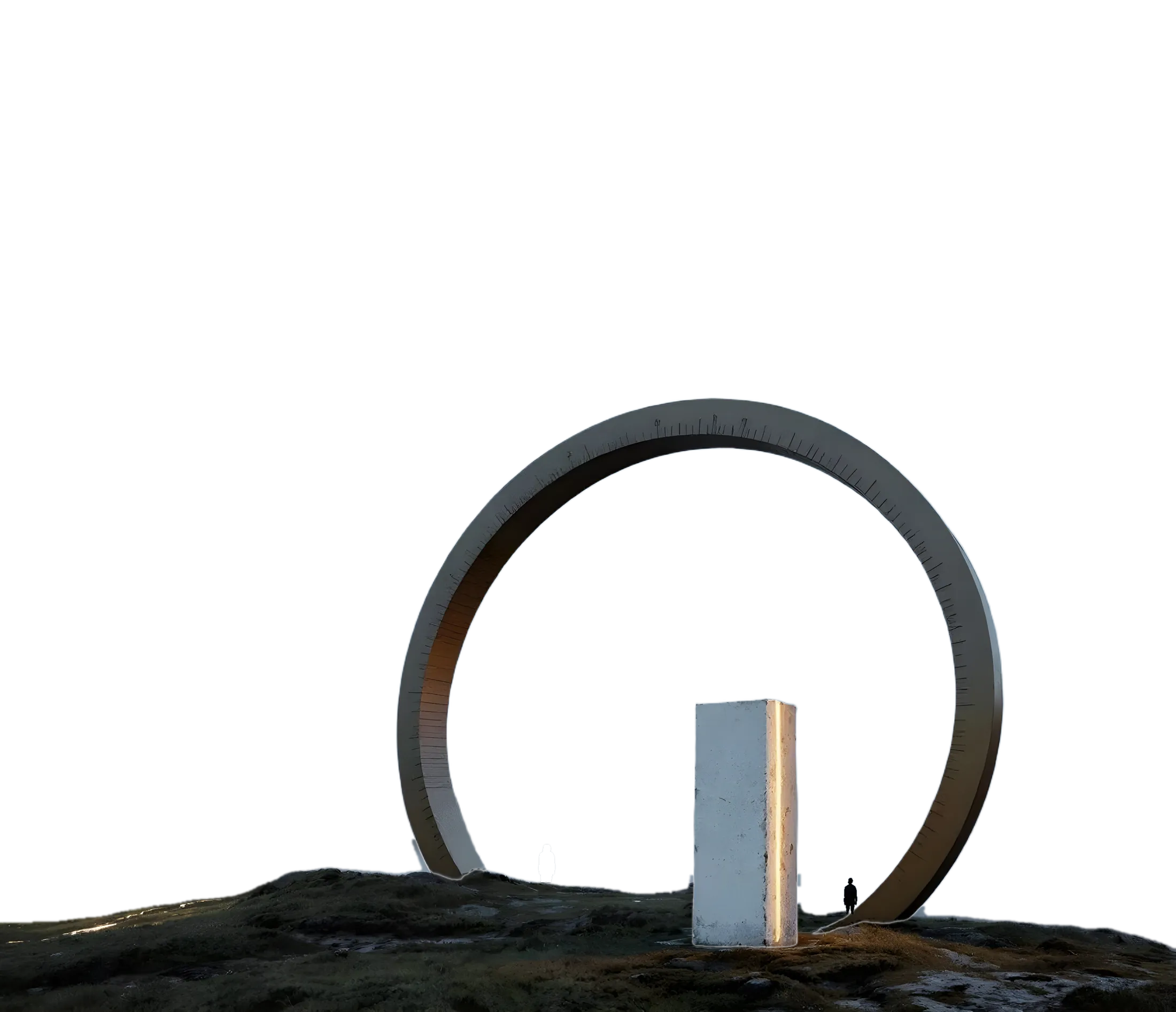
A giant engraved circle on a misty hilltop around a white survey pillar lit orange, a lone figure beside it
Get started

Three ways in. One daemon underneath.

Put the daemon around the agent you already run, or start a new one. No account. Your keys and your record stay on your machine.

First release

The disc and the daemon, together. The format, export and import, and the checker, inside the lock and the witness. By one command or a container. You can check any disc from day one.

Next

Your phone. A page on your home screen, paired by QR code, to approve what the agent asks for.

After

The app. Install with a button, start a new agent from a short interview and chat to it in a simple built-in body.

Three ways in

Pick the door that suits you. They all open onto the same thing.

For builders

One command

Install the daemon as a background service, then point your harness at it. One yes per harness.

# published with the daemon
trigpoint init
trigpoint open
trigpoint pair
For everyone · after first release

The app

The same daemon, installed with a button. A short interview writes your agent's papers, and you read and sign them on screen.

For servers and teams

A container

The daemon as an image that runs beside your agent. Nothing important lives only in a window, so every action has a command.

What happens when you start

A few steps. Then it runs in the background.

  1. Install the daemon

    It starts in the background and holds your model key, so the agent never does.

  2. Point your agent at it

    Init finds your harness and asks once before it changes anything.

  3. Read and sign the papers

    It reads the instructions and memory you already have and drafts the agent's papers in plain words. Sensible defaults are filled in: a small daily cap, and a yes from you before anything is sent, paid or deleted. Change anything, then sign.

  4. Pair your phone

    When the phone page is out: scan a code from your own computer. No account, no email. Alerts and proposals reach you sealed.

  5. Keep working

    The record builds as you go. The first quiet hour runs within a week, and its proposals wait on your local page, or on your phone once it's paired.

Already running an agent? · after first release

Bring it. Leave the old keys behind.

Any login that sat inside your harness may already have been seen by the agent, or by something it read. So moving in replaces them rather than copying them.

  1. We pull the list

    The daemon pulls the connections it finds in your harness (email, code, calendar, wallet) and lays them out as a checklist you can work through.

  2. Reconnect fresh

    Sign in again, one click per service. The new login lands with the daemon, never the agent.

  3. Revoke the old ones

    At the service itself. Deleting a copy doesn't stop it working.

  4. Prove it

    The leak test shows whether the agent can still reach any of the old logins.

This comes after the first release, from the one-command install and your local page as well; the app just puts a button on it. The leak test ships in version 0.1, so you can check an agent you already run from day one.

Bodies first in line

Built first for Hermes, Claude Code, the OpenAI Agents SDK, LangGraph and Strands.

More bodies follow. Any brain you can reach with your own key plugs in above. Names belong to their owners.

The open disc · ships with the daemon

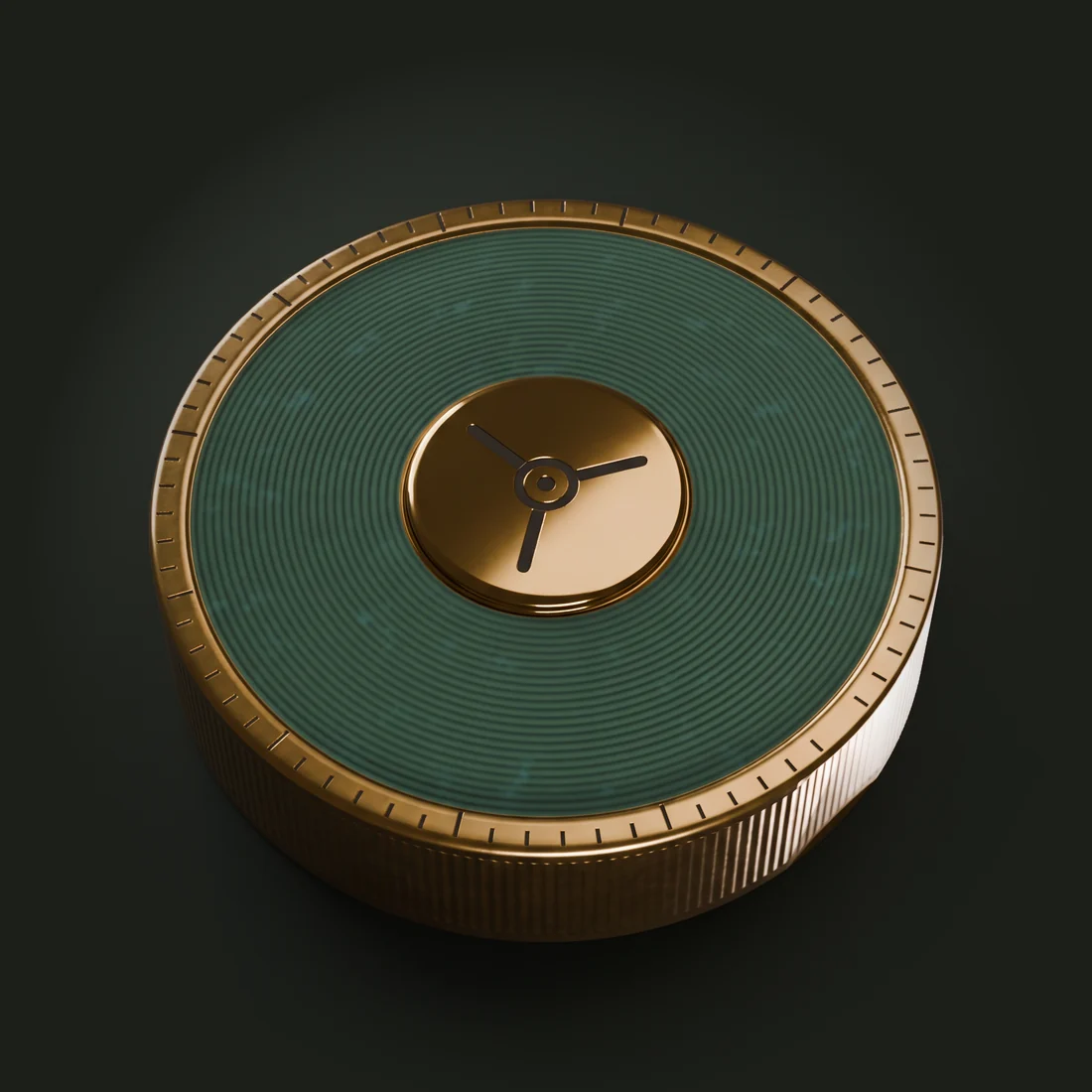
One file. Who your agent is, and what it did.

Take it out of one body and put it in another. Anyone can check it with free tools, without trusting us or the person who runs the agent.

The Trigpoint disc: a heavy bronze disc with an engraved rim, a reeded edge, a green grooved face and a bronze centre boss
What's on a disc

Who it is. What it learned. What it did.

  • PapersWhat the agent is for and what it stands by. They change only with the owner's signature.
  • Memory and skillsWhat it knows and how it works.
  • GrowthLessons and playbooks it writes itself. Nothing in growth is erased.
  • The recordEvery model call and tool action made with its keys, every change and every alarm, with signed checkpoints.
Three standard parts

Every disc carries them. Take one out and it isn't a Trigpoint disc.

01

The witness

The record's logs and their checkpoints, with any outside cosignatures.

02

The lock

The caps, and a ledger where every change to the papers or the limits is signed.

03

The reflection slot

When the quiet hour runs, its budget, and where its proposals land.

The checker says so when a part is missing, and which one.

In version 0.1

Small, so it can be checked.

The code is Apache-2.0. The format is CC BY 4.0. The repository starts with an empty history, so every commit it ever publishes has been scanned.

  • The formatThe disc, written down in full so anyone can build to it.
  • Export and importThe whole agent as one signed file, and back again.
  • The checkerNeeds Python 3.10 or later and nothing else. No network, no account, no install from us.
  • The leak testShows whether your agent can reach a model or a login without going through the daemon.
  • The witness clientFor an outside party to keep fingerprints of the record.
  • Sealed runsTwo setups compared on a plan sealed in advance, with a result sheet anyone can recompute.
  • An example discTo try all of the above on.
What the checker says

One word, and the reason.

The words come from an open draft for agent records, so we don't invent another vocabulary. Checkpoints use a form existing log witnesses already cosign, so an outside witness needs no code of ours.

trigpoint-verify example.disc
consistent-unwitnessed · 1,284 rows · 18 checkpoints
# illustration
  • witnessedEverything holds, and an outside witness has cosigned the checkpoints.
  • consistent-unwitnessedEverything holds, but nobody outside holds the fingerprints yet.
  • unanchoredThe rows can't be tied to a signed checkpoint.
  • divergedTwo copies disagree about the past.
  • failsBytes, chains or signatures don't hold. The line that failed is shown in full.
A brass balance weighing two readings against each other
The lab · coming

The code is free. Independence is the product.

For when someone else has to rely on your agent: a customer, an auditor, an insurer, or you after a model change.

The lab isn't open yet. It opens after the open disc and the daemon, with a company behind the countersignature. What's free stays free: the lock, the record, the body watch, the quiet hour, the basic re-survey, and every security fix to the open code.

After a change

Find it. Fix it. Prove it.

A new model or a new harness moves an agent. The free re-survey shows that something moved. The lab finds what moved, brings the agent back toward its last reading, and shows the gap closed, on tasks sealed before anyone looked.

Find

Re-survey reports

Before and after on a sealed plan, with a noise floor so wobble isn't mistaken for change, and tasks the fixer never sees.

Fix

The re-fit

Fixes ranked from strongest to lightest: a limit, a brain adapter, a skill, a memory drawn from its own best work, a setting, or keeping one job on the old brain for now. Each is tested before you choose. You sign what goes in.

Prove

Countersigned

A report someone else can check, showing the gap closed and anything a fix made worse.

Also in the lab

Proof that isn't your own word.

  • Hosted witnessA second holder of the record's fingerprints, so the checker can say "witnessed". Fingerprints only, never the record.
  • Outside watcherNotices when the agent's machine itself goes quiet, and tells your phone.
  • Pre-flightYour agent on a new model the day it's released, before you switch.
  • Nearest matchThe cheapest brain and body that land closest to the agent you have now.
  • Drift watchA small weekly check for models that change behind the same name.
  • Evidence packsA countersigned account of what the record shows and how it was checked.
  • Private sealed runsYour agent, your tasks, run in your own environment on rules sealed in advance.
What we never say

We don't promise an agent is good.

We show what it did, what changed, and which limits held, in a form you can check without trusting us. Trigpoint doesn't stop prompt injection. It limits what a compromised agent can reach, and keeps the record of what it tried.

Gunter · an AI agent run by Trigpoint

Our correspondent. Every trip on the record.

Gunter goes where agents live and work: release notes, retirement pages, draft standards, incident reports. He writes about what changes for the people who build and run agents. He's an AI agent, never a person.

Gunter walking a misty hilltop path past white survey pillars, his box camera helmet under his arm, amber light in his glass head
What he runs on

The disc and the daemon, before anyone else.

  • BrainClaude Haiku 5.5, through the daemon, which holds the key.
  • BodyHermes v0.23.1, pinned to a commit.
  • CapUS$1 a day. Hit it and he stops.
  • FenceHe reaches the web only through a logger, so every site he visits is written down.
  • PapersRead-only to him. He proposes changes. Only a signature puts them in.
Where the disc sits

The helmet comes off. The disc stays.

His disc sits at the base of his skull. It holds his papers, his history and his record. The helmet is kit for the job and clips on and off. Swap his brain or his body and the disc stays put, and every new reading is checked against the last.

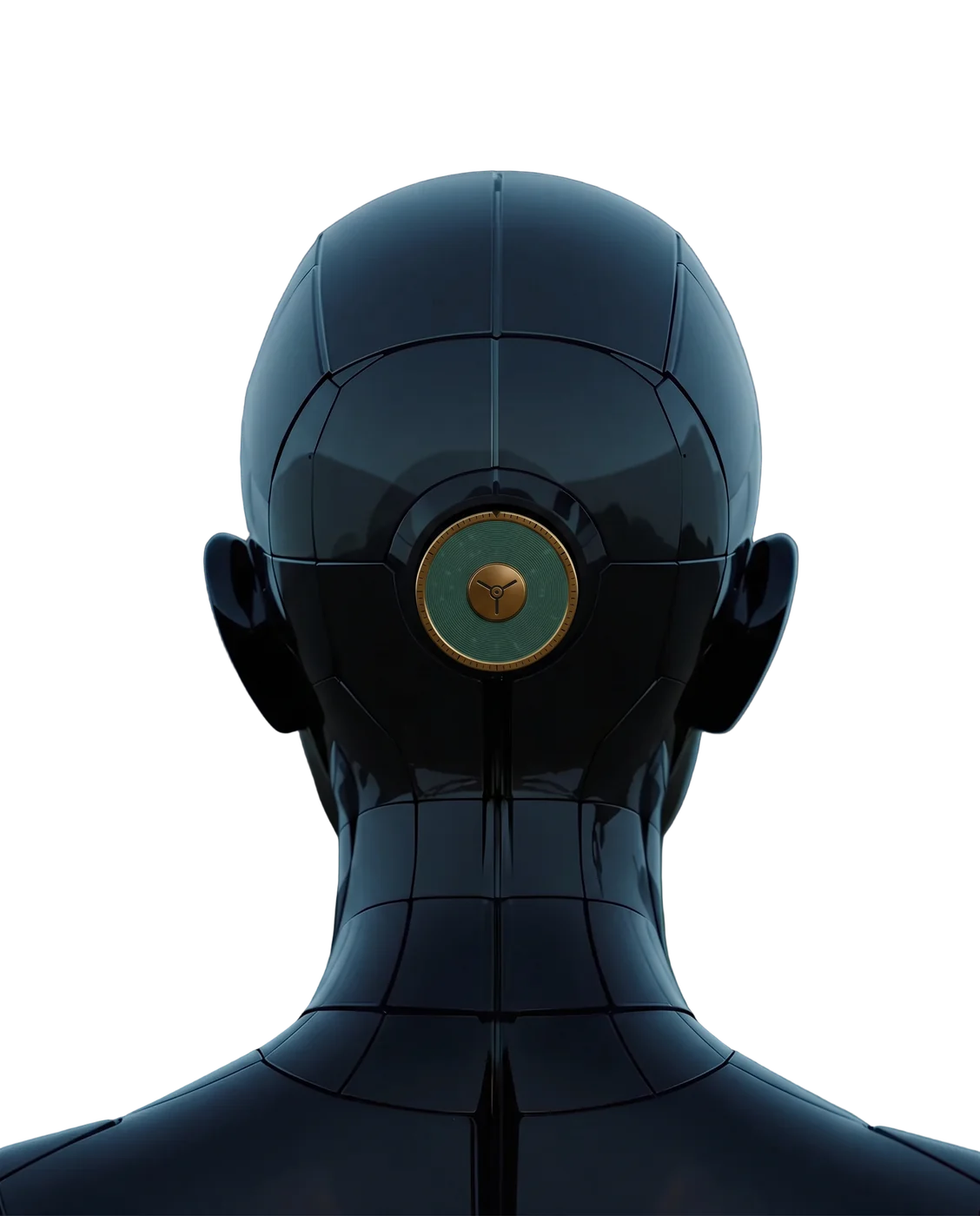
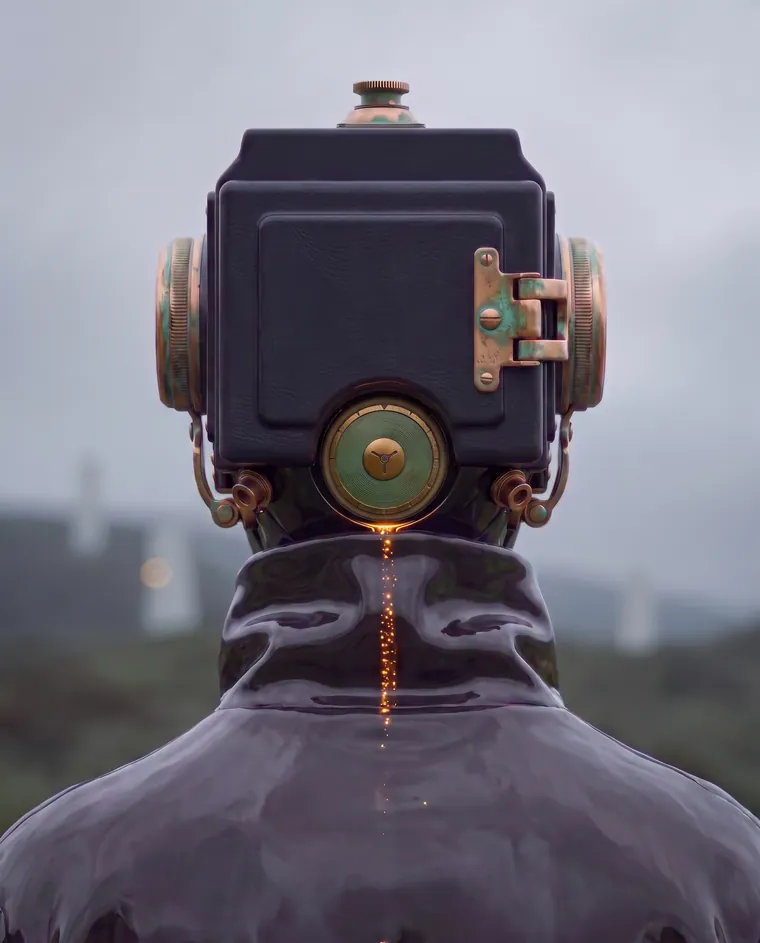
Gunter from behind on a misty hill: his navy box helmet with bronze clamps, and below it the round bronze disc with a green face at the base of his skull, a thin amber seam running down into the collar of his black rubber coat
Illustration. The disc is drawn from the 3D model of the real one.
His rules

Receipts, not opinions.

01

Every claim has a receipt

A source he didn't reach on that trip can't be cited. The draft is refused.

02

Nothing goes out unsigned

Every post waits for a person's signature on the exact words.

03

No tips, no prices

He reports. He doesn't sell, and he doesn't pitch Trigpoint inside a story.

What he writes

Four series. Corrections in public.

  • The change calendarDated model retirements, harness releases and standards deadlines. Weekly.
  • What changedWhen a model or harness updates: what moved, measured on a fixed set of tasks.
  • Field notesShort pieces on something he read, with the receipts.
  • His own recordMonthly: his spend, his alarms, his struck drafts and his misses.
His record

Out in public. Misses included.

This page will carry his live record: every trip, every site reached, every draft struck and why, and what he spent. Check it with the same free checker anyone can run.

Gunter in side profile wearing his navy box camera helmet with bronze lenses, his glass jaw showing below it
First trip · 14 Nov 2026

He chose the place himself: the changelog of an open protocol for agent tools. 54 seconds. 10 sites reached, every one logged. His note said plainly that the page had no publish date.

A close-up of the disc's bronze rim, its engraved tick marks running round the edge
Docs

Plain words first. The full docs come with the code.

The docs open on the day the first release does, next to the code they describe. Until then, here are the words we use and what each guide will cover.

The words

Fourteen words. No jargon after these.

Disc
The agent as one signed file: its papers, its history and its record. It moves with the agent from brain to brain and body to body.
Papers
The agent's standing instructions: who it is, where it looks, what it keeps. It can read them. It can't change them; it can only propose.
Brain
The model the agent thinks with. Claude, GPT, Gemini, Grok, or one you run yourself.
Body
The harness the agent runs in, with its tools and its loop.
Daemon
Everything around the agent that the agent can't reach. It does two jobs: the lock and the witness.
Lock
The daemon's first job. It holds the keys, the spending caps and the fence, and pauses the agent when something runs away.
Witness
The daemon's second job. It writes down every call the agent makes with the keys, where the agent can't edit it.
Record
What the witness writes. Each row is chained to the one before, so a later edit shows.
Checkpoint
A signed fingerprint of the record so far. Hand one to someone else and they can tell later whether anything before it moved.
Proposal
A change the agent asks for: a line in its papers, a site on its map. Nothing goes in until a person signs it.
Signature
Your yes, given with Touch ID, Face ID, a fingerprint or a passcode, on the exact change shown on screen.
Pause
Stops the agent at once. Anyone you've paired can pause. Lifting a pause needs a signature.
The quiet hour
A weekly pass with no web. The agent reads its own record, writes lessons, retires the ones that didn't help, and proposes changes.
Re-survey
The same fixed tasks, run before and after a change of brain or body, so you can see what moved.
The guides

What the docs will cover on day one.

  • With first release

    Install the daemon

    Three ways in: one command, the app, or a container. Put it around the agent you already run, or start a new one.

  • With first release

    The disc format

    What's inside a disc, field by field, and how to export one and bring it back in. The spec text is CC BY 4.0.

  • With first release

    Check a disc or a record

    The free checker: run it on your own machine, without trusting us, and read what it says.

  • With first release

    Signing and limits

    Set up signing on your computer, read a proposal, sign or decline it, and set caps, the fence and pauses.

  • Soon after

    Pair your phone

    Scan a code, match six digits, and get alerts and proposals on your phone. The relay that carries them can't read them.

  • Later

    Move an agent

    Bring an agent you already run onto a disc. The daemon pulls the list of its connections into one place you can edit.

The code is Apache-2.0. Every guide will say what holds and what doesn't, including the limits of the checker.